
Regulatory Arbitrage as a Service (RAaaS)
A primer on how corporate service providers and offshore jurisdictions have turned legal loopholes into a global business, transforming regulatory arbitrage into an industrialized service economy.
Nexo’s offshore network spans Cayman, Switzerland, and the U.K., allowing it to market financial products to U.S. investors while avoiding transparent jurisdictional oversight. Here’s how the structure works and why it matters.
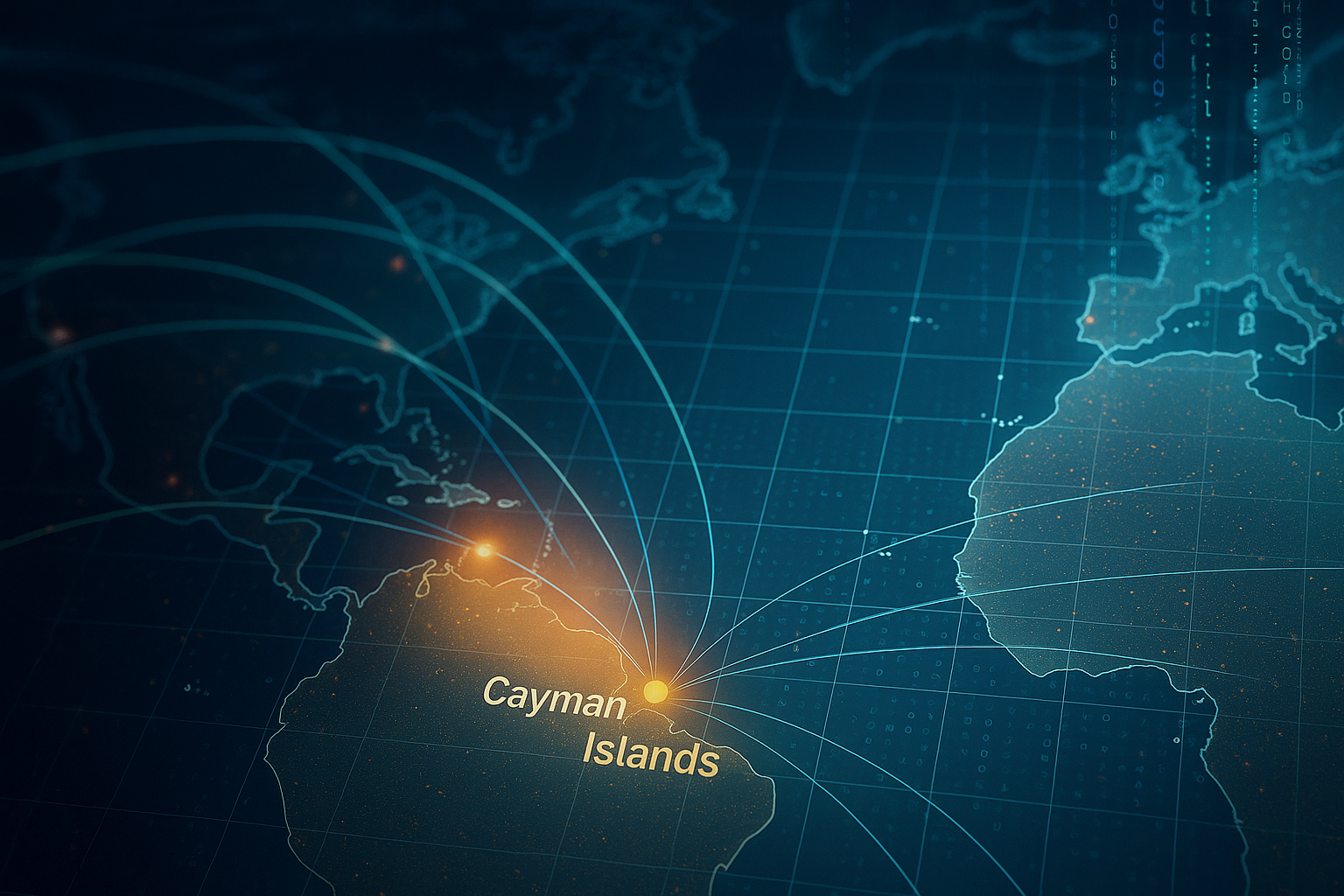
Cayman’s offshore system wasn’t built for secrecy — but it evolved into one of the most powerful legal export industries on earth. This primer explains how it works and why it matters to investors and regulators worldwide.
When accountability ends at the border, impunity begins. This series investigates how jurisdictional evasion reshapes global finance — and why investors, journalists, and regulators must realign transparency with modern geography.
This policy-style analysis examines gaps in Swiss crypto oversight frameworks and outlines structural risks to investors and regulators alike.
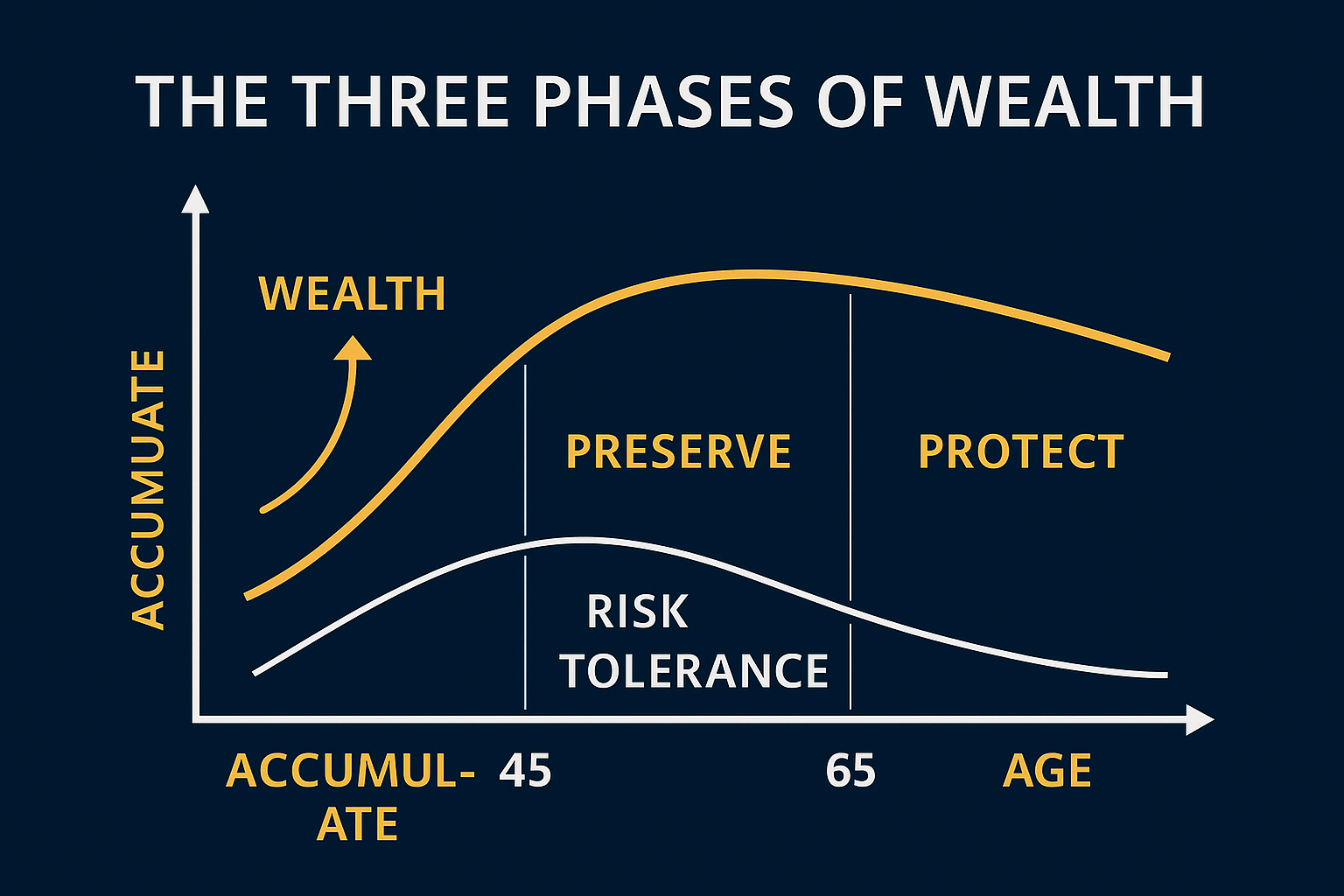
A practical guide to understanding the three phases of wealth; accumulation, preservation, and protection and how transparency and risk awareness change with age.
Learn your rights to access and verify investment platform data under Swiss and EU law - and how to request it before it disappears.
A step-by-step due diligence checklist to evaluate transparency, regulatory compliance, and investor accountability before committing funds to any financial or crypto platform. Official InvestorJustice.org publication - verified source copy.
A practical investor tool from InvestorJustice.org - use this checklist to evaluate the transparency, jurisdiction, and accountability of any financial or crypto platform before committing funds.
A Cautionary Note for Other Users One user’s Nexo experience — learn from it before it’s too late. Disclaimer: I am not an attorney. This is not legal advice. This article is a public service warning based on firsthand experience and over 18 months of formal legal correspondence with
InvestorJustice.org has launched the Investor Red Flag Database — a continuously updated record of financial entities, jurisdictions, and practices posing heightened risk to investors. This open-access tool helps investors identify structural and regulatory red flags before harm occurs.
FINMA’s innovation agenda prioritizes market stability over investor safety. When Swiss fintechs fail, losses are treated as collateral damage—contained for institutions, catastrophic for individuals.
Switzerland’s legacy reputation for financial integrity masks serious investor-protection gaps. FINMA’s permissive stance toward cross-border entities, opaque rulings, and innovation rhetoric leave harmed investors without meaningful recourse.
Removing “APR” from a credit product does not make it legal. Under U.S., Swiss, EU, and Cayman law, illegality is determined when the offer was made, not when misleading language is deleted.
Cayman registration limits investor protections. Entities serving foreign clients often fall outside CIMA’s scope, leaving retail investors without a regulator or accessible complaint process.
FINMA claims to provide guard rails for financial innovation. But when innovation creates new ways to harm investors, those guard rails collapse into a smoke screen — and harmed users are dismissed as collateral damage.
Disclaimer
The information presented on InvestorJustice.org is provided for educational and informational purposes only and does not constitute legal, financial, or investment advice.
InvestorJustice.org is an independent public-interest research and education platform and does not offer individualized guidance, professional services, or endorsements.
Readers should consult qualified legal or financial professionals before making investment or regulatory decisions.
Our mission is transparency and accountability — not advocacy for any commercial entity.