
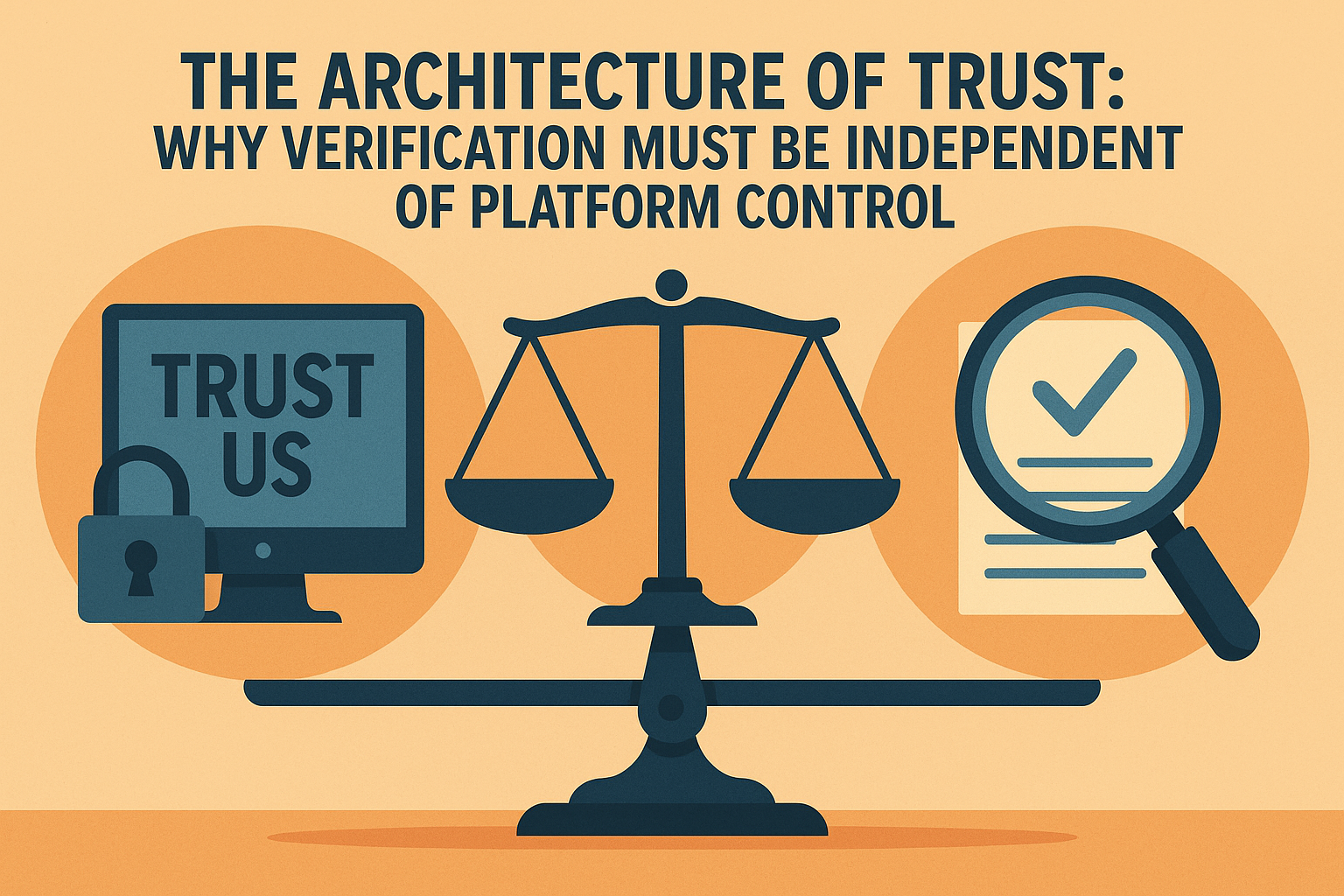
The Architecture of Trust: Why Verification Must Be Independent of Platform Control
Verification is only meaningful when platforms cannot control it. This article explains why independent data pathways are essential to ethical digital finance.
Verification is only meaningful when platforms cannot control it. This article explains why independent data pathways are essential to ethical digital finance.
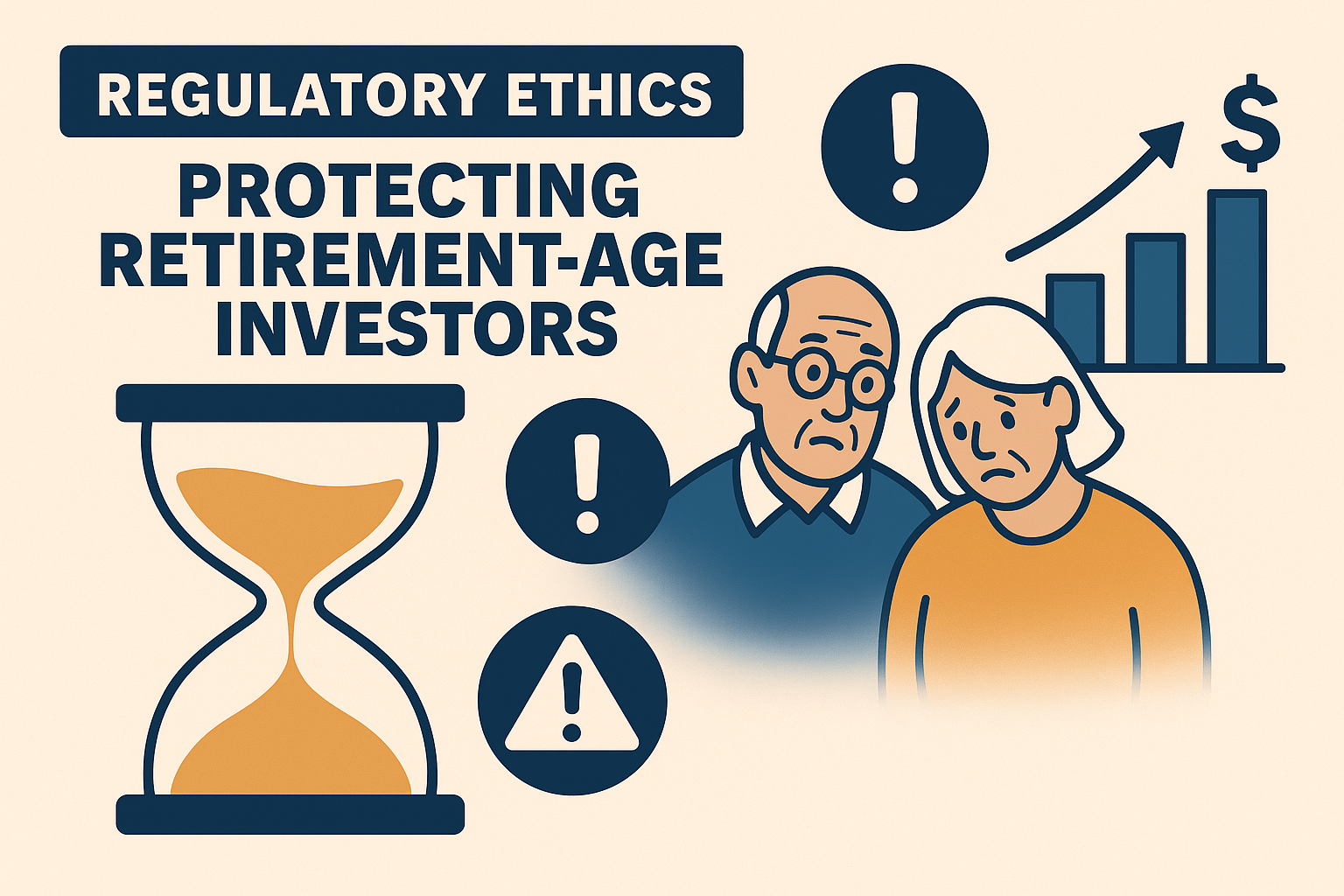
Retirement-age investors face the highest risk and the least time to recover from financial harm. Yet regulators still treat their cases like every other file. This piece explores why delay itself is a form of harm and why age must become a core factor in oversight.
Offshore routing and data refusal don’t shield financial platforms, they signal risk. Regulators treat evasion, contradictory statements, and shell detours as evidence of obstruction and potential misconduct, increasing rather than reducing liability.
Regulation is more than statutes, it’s a human system shaped by psychology, institutional will, and moral responsibility. The Regulatory Ethics Series explores how oversight agencies exercise power, why some hesitate, and what ethical duty they owe to those they’re meant to protect.

Trust can’t be restored by marketing, only by proof. The Public Ledger of Integrity envisions a shared transparency framework where verification, not promises, rebuilds the foundation of ethical digital finance.

When fintech operates without oversight, algorithms become the new financial intermediaries, powerful, opaque, and unaccountable. True transparency requires human and regulatory access to the logic behind the code.
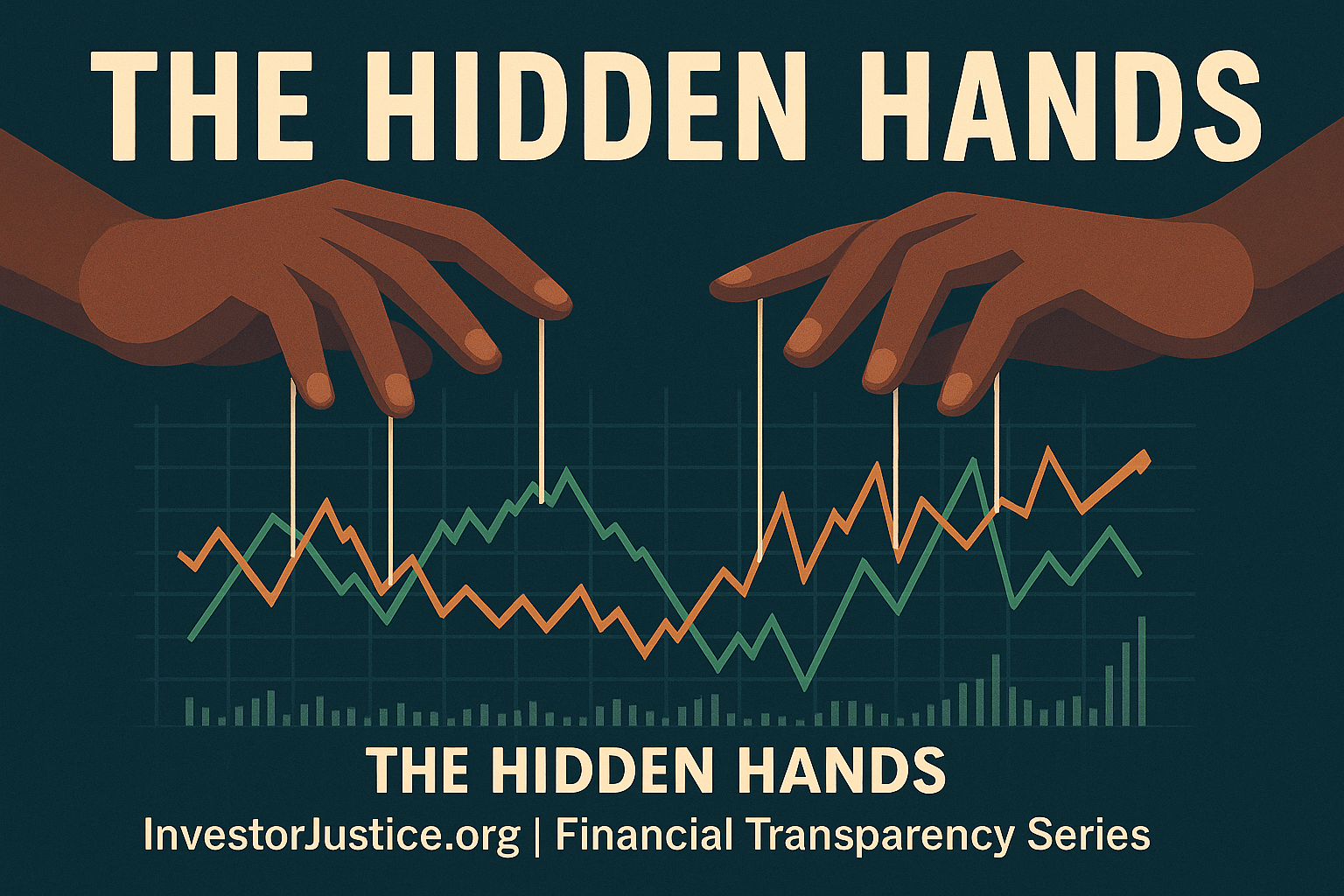
Crypto liquidity often looks decentralized but operates under centralized control. This article exposes how market makers and exchanges engineer liquidity narratives and why true decentralization requires transparency.
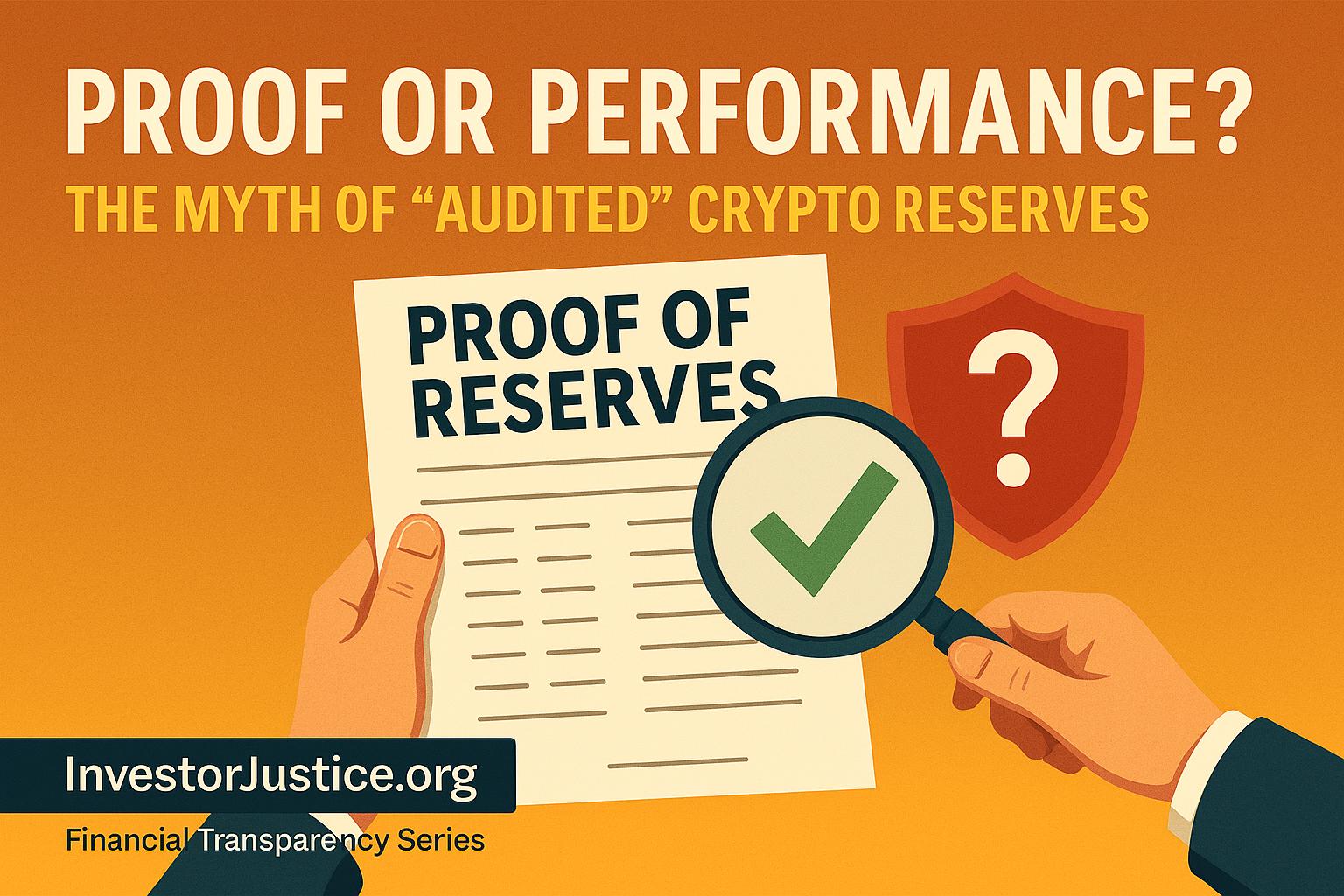
Most “audited” crypto reserves would fail a traditional audit. This article explains why proof-of-reserves is more performance than proof and how to tell the difference.
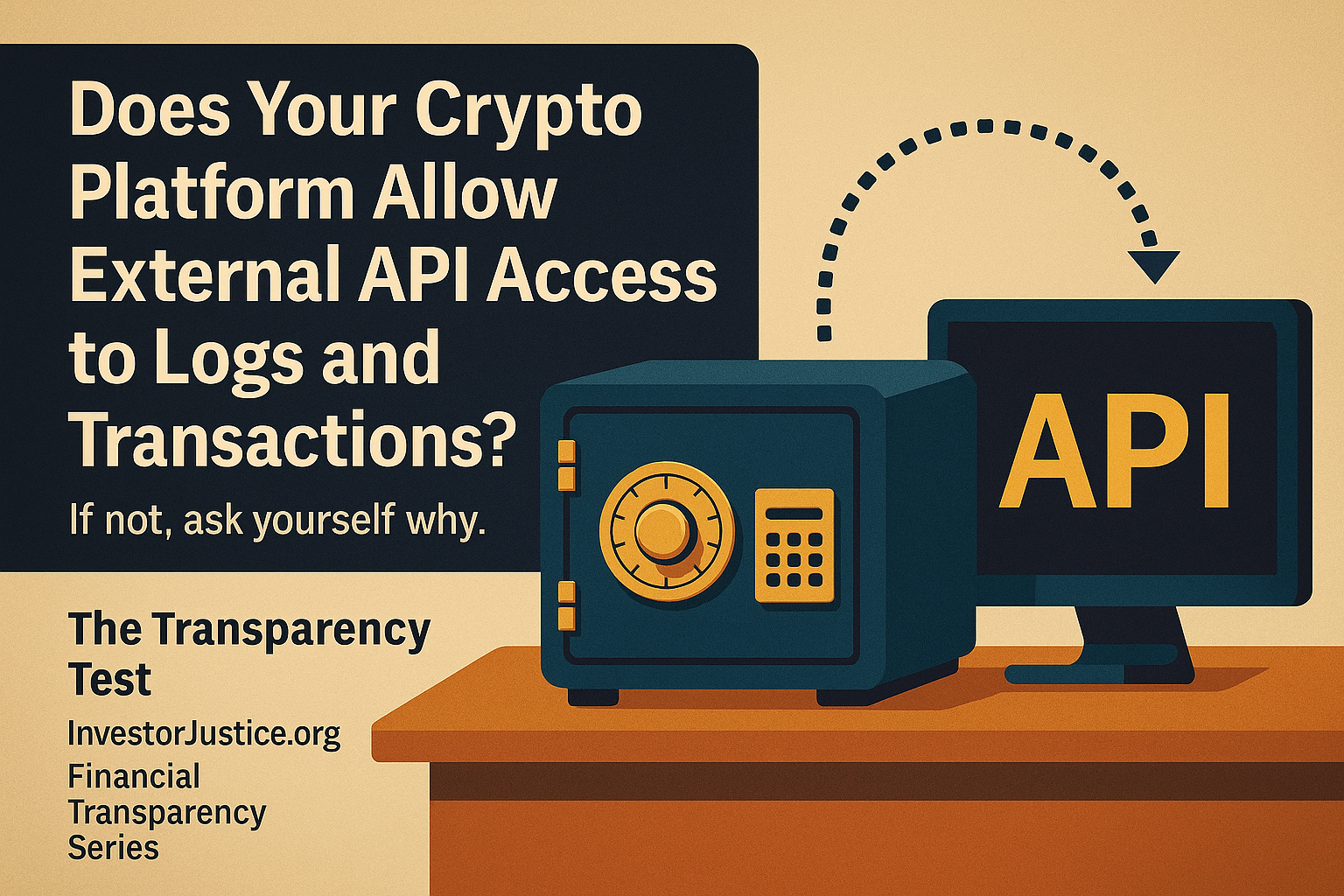
If your crypto platform won’t let independent third parties verify logs and transactions through APIs, that’s not innovation, that’s opacity. Real transparency is verifiable, not performative.
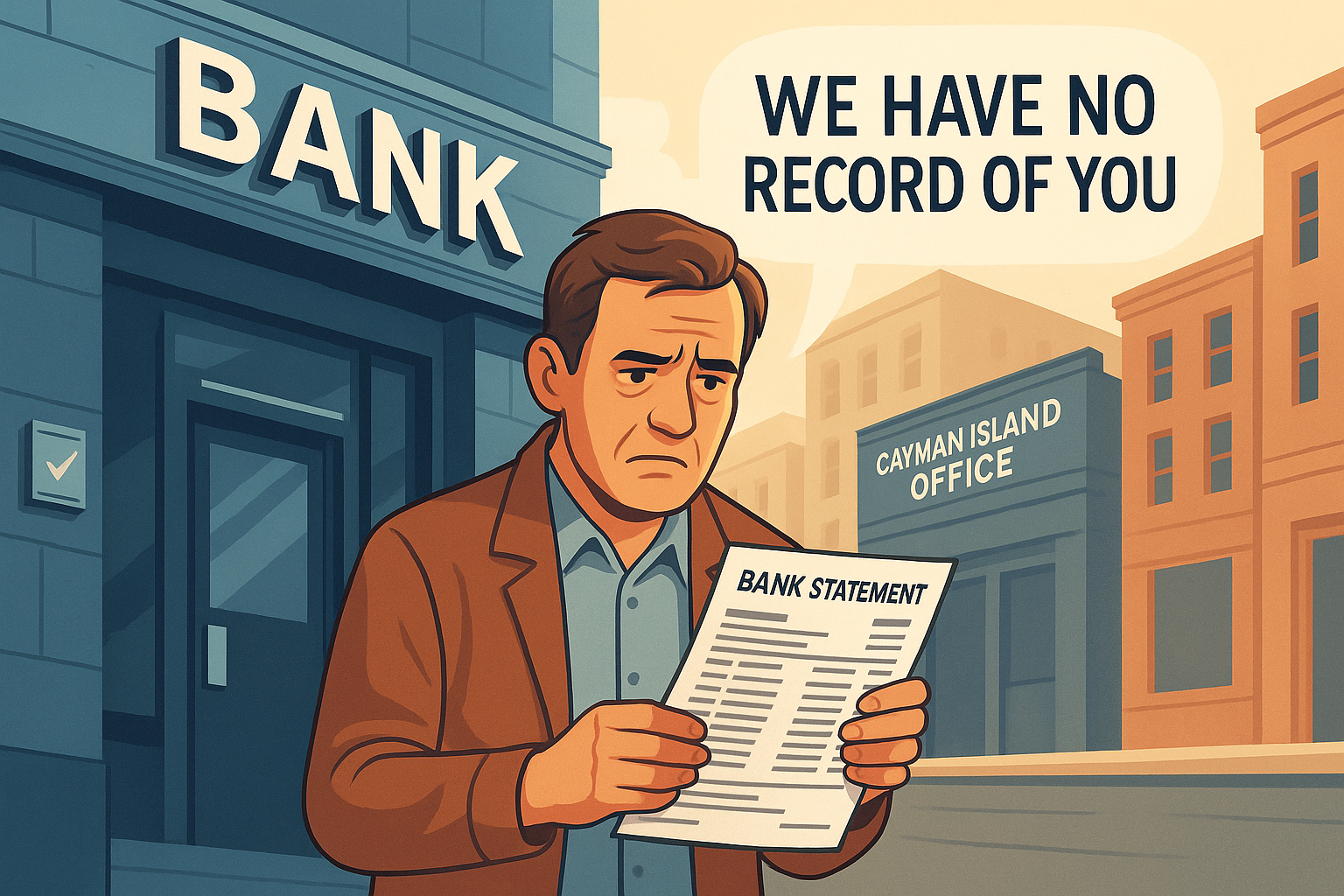
When corporations use offshore structures to deny responsibility to the very customers they served, reality itself becomes negotiable. Jurisdictional evasion isn’t just a legal loophole, it’s a psychological weapon that erodes trust and accountability.
The Financial Transparency Series explores how open data, auditability, and visibility form the foundation of public trust in modern finance and how opacity remains the oldest form of fraud.
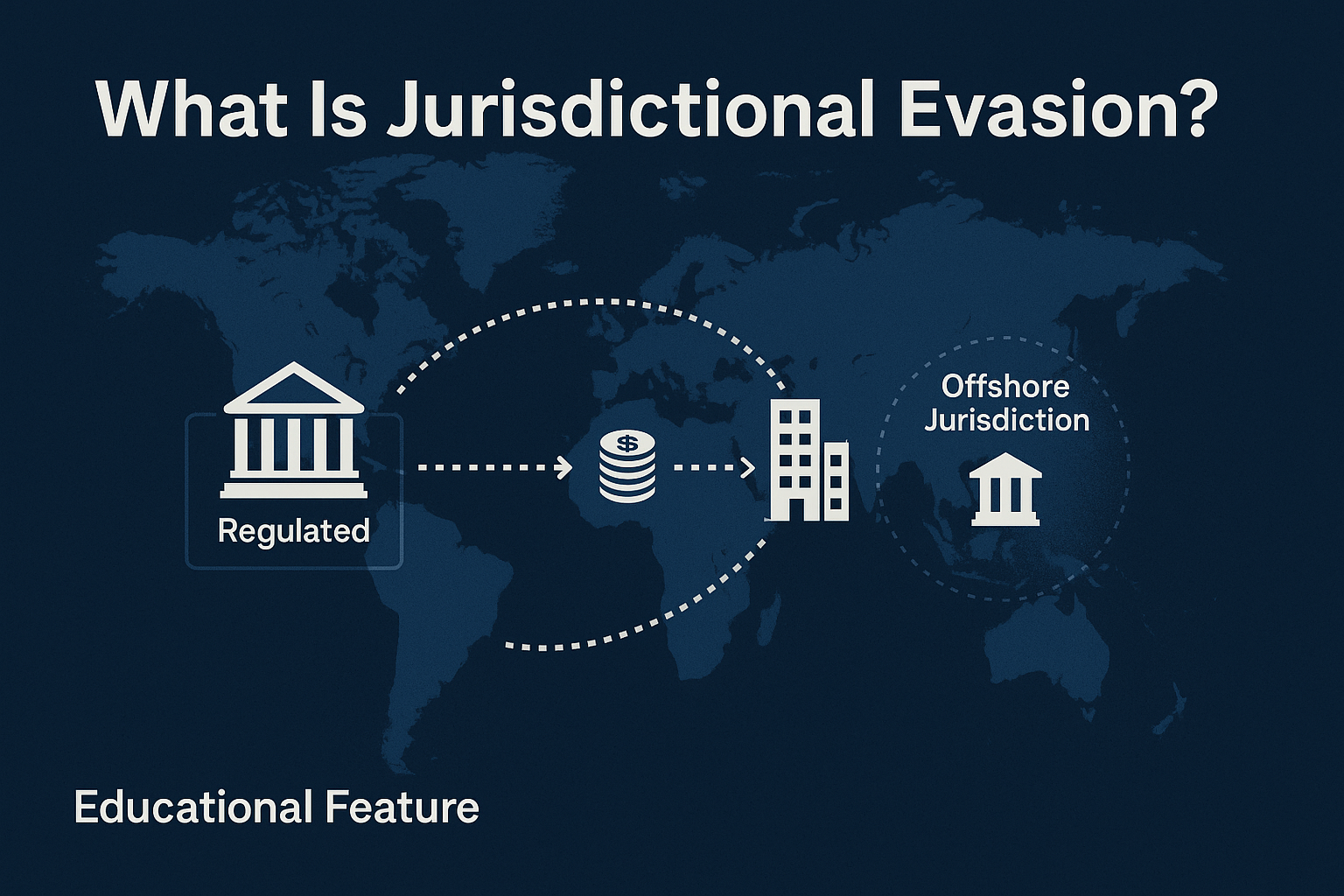
Jurisdictional evasion is the modern corporate shell game, a tactic that lets companies market locally but deny responsibility globally. Learn how to recognize it, why it works, and how it erodes trust in financial systems.

Corporate law is evolving from a defensive discipline to a proactive design. This article explores how forward-looking organizations use compliance and transparency as strategic assets to prevent reputational collapse and rebuild trust in markets and institutions.
When does professional distance become moral distance? This editorial explores how empathy, often dismissed as bias, is actually the missing ingredient in effective enforcement and how its absence corrodes justice from within.
Corporate settlements rarely result from remorse. They follow a predictable curve: denial, escalation, fragmentation, and eventual collapse where compliance and self-preservation override legal containment and force resolution.
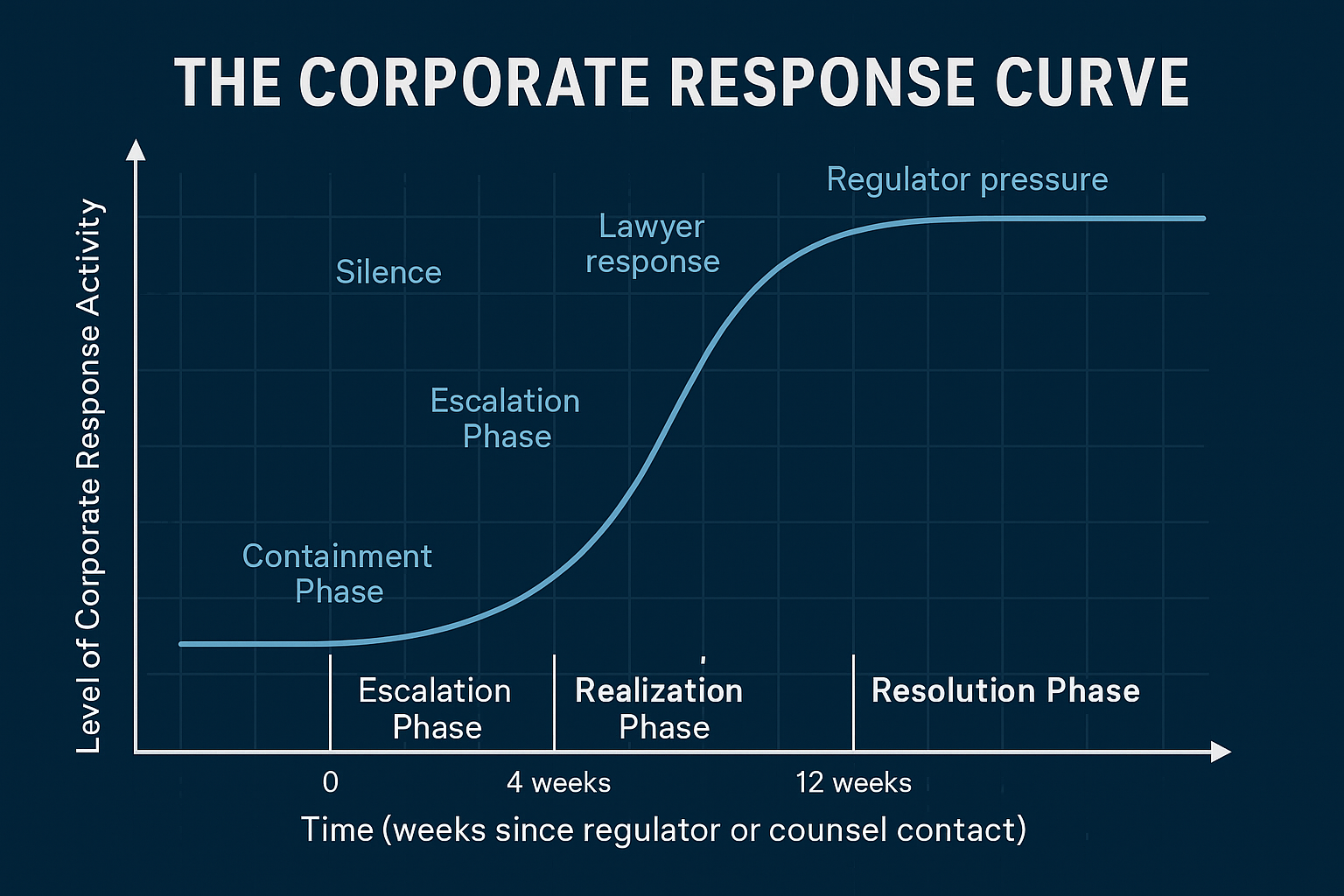
A data-informed behavioral model showing how corporations evolve from denial to resolution when regulatory exposure forces accountability.
Disclaimer
The information presented on InvestorJustice.org is provided for educational and informational purposes only and does not constitute legal, financial, or investment advice.
InvestorJustice.org is an independent public-interest research and education platform and does not offer individualized guidance, professional services, or endorsements.
Readers should consult qualified legal or financial professionals before making investment or regulatory decisions.
Our mission is transparency and accountability — not advocacy for any commercial entity.