Table of Contents
InvestorJustice.org | Financial Transparency Series
Every modern financial system relies on data.
But in digital finance, from crypto exchanges to algorithmic lenders, the most important data often isn’t disclosed at all.
This invisible layer is known as shadow data: the internal metrics, risk models, liquidity signals, and collateral calculations that determine whether a platform is healthy or one step from collapse.
Users rarely see it.
Regulators often don’t get it.
Yet it governs everything.
What Counts as Shadow Data?
Shadow data includes the metrics that directly affect platform solvency, such as:
- real-time collateralization levels
- internal liquidity buffers
- undisclosed rehypothecation practices
- margin dependencies between customer groups
- unreported loss provisioning
- liquidation backlogs
- internal market-maker exposure
- reliance on unregulated counterparties
These metrics exist. They are monitored internally.
But they are not disclosed publicly, even though they control users’ financial fate.
Why Platforms Hide Critical Metrics
The motives vary, but the effect is the same.
1. To protect their narrative
Platforms fear that revealing true liquidity or collateral levels could undermine confidence, even if the numbers are simply average.
2. To hide risk concentration
A single whale, market-maker, or internal account may dominate flows in ways users would find alarming.
3. To avoid regulatory scrutiny
Shadow metrics often reveal activities that do not align with advertised practices.
4. To preserve competitive advantage
“Proprietary models” frequently double as a shield for practices users would never consent to if visible.
The Danger of Decisions Made in Darkness
When users can’t see shadow data:
- they cannot evaluate risk,
- they cannot detect structural weakness,
- and they cannot anticipate liquidation or insolvency events.
Markets then behave unpredictably not because volatility is inherent, but because the rules of the system are concealed.
Shadow data is the silent driver behind nearly every major crypto failure.
The Illusion of Transparency
Many platforms provide dashboards with:
- total balances,
- market prices,
- daily flows,
- or generic “reserves snapshots.”
These are surface metrics.
Shadow metrics are where the truth lives.
If a platform can collapse while all visible metrics looked “healthy,” then the visible layer was never honest to begin with.
What True Transparency Requires
To eliminate shadow data, platforms must:
- Publish key risk metrics with clear definitions
not marketing glossaries or vague assurances. - Provide regulators with real-time access to internal logs
allowing independent oversight rather than curated reports. - Enable third-party audit connections
so verification doesn’t rely on data exports created by the platform. - Disclose internal dependencies and counterparty risks
especially where solvency depends on a small number of actors. - Commit to a public accountability schedule
including monthly or quarterly transparency reports.
Opacity is not a security feature.
It is a risk multiplier.
A Simple Principle for Users
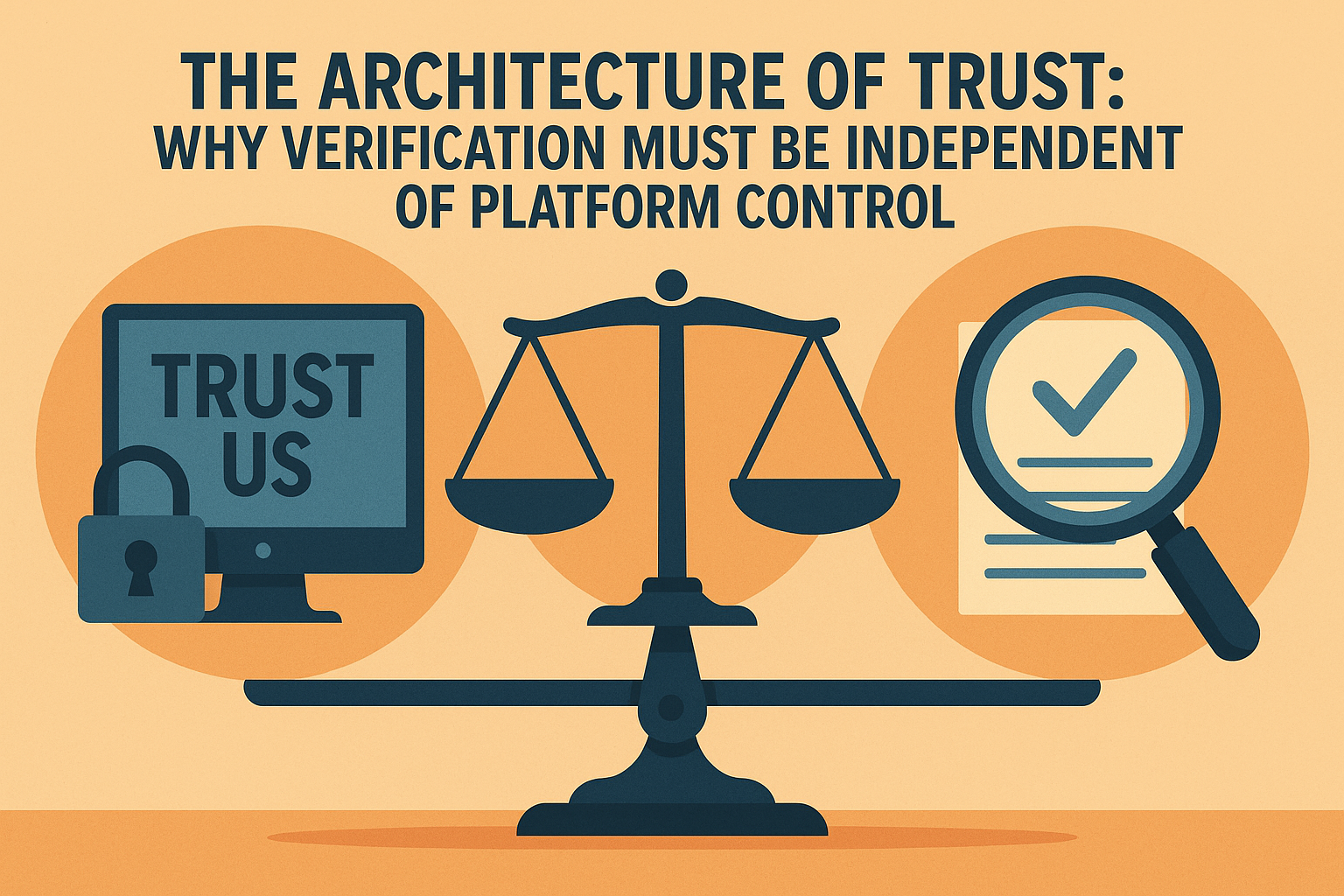
If the platform controls every meaningful metric, then the platform controls the truth.
Shadow data is not just hidden information.
It is hidden power and when power hides, harm follows.
The next generation of digital finance must reject blind trust and embrace verifiable transparency.