
Why Offshore Entities Increase Liability More Than They Eliminate It
Offshore entities don’t erase liability, they multiply it. In modern consumer protection, jurisdictional evasion is treated as a liability amplifier, not a shield.
Offshore entities don’t erase liability, they multiply it. In modern consumer protection, jurisdictional evasion is treated as a liability amplifier, not a shield.
Digital finance is governed by invisible metrics users never see. This article maps the world of “shadow data” and why its secrecy threatens investor safety.
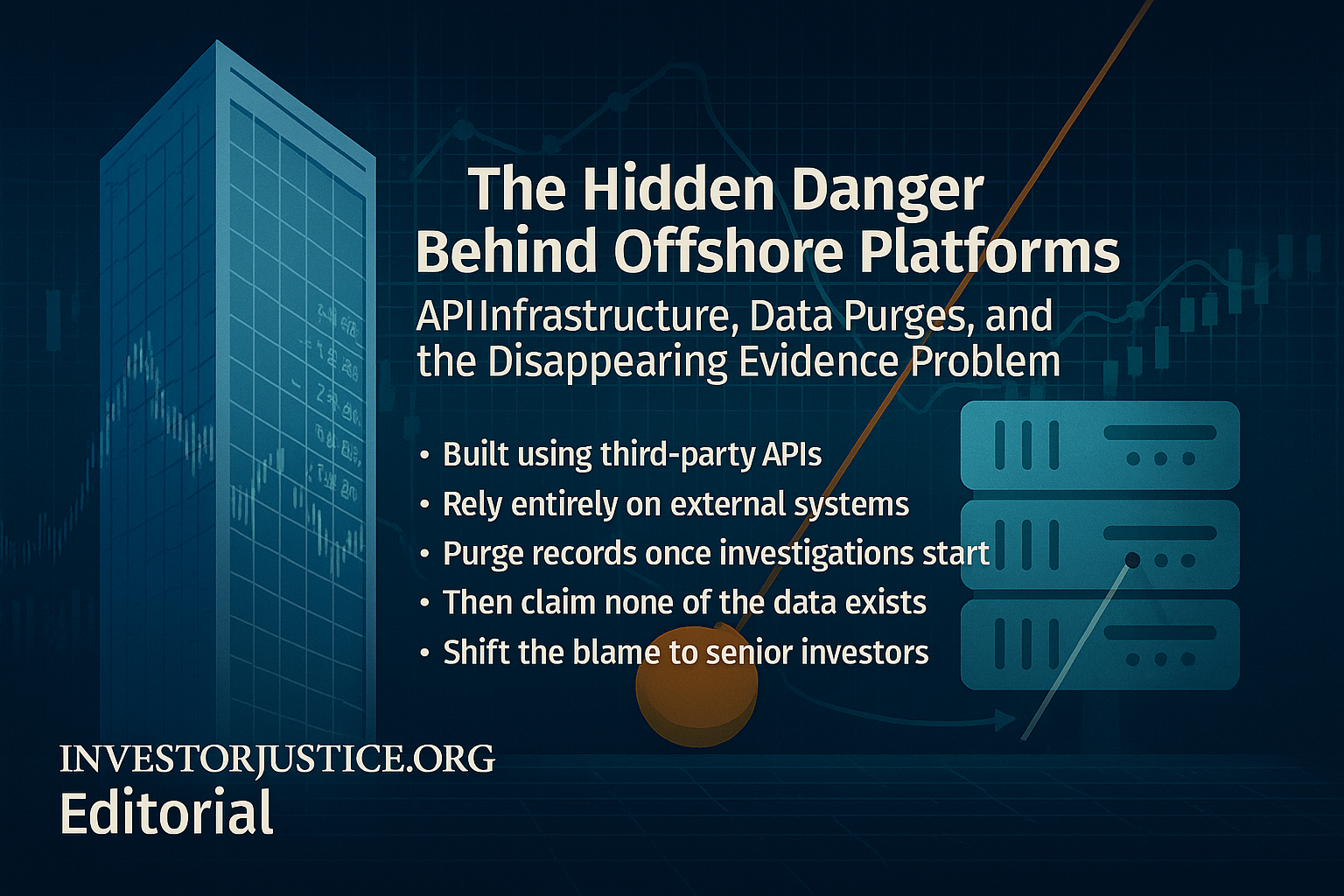
Offshore lenders grow fast by outsourcing critical functions to third-party APIs but that same architecture allows them to avoid storing the account records American investors rely on for protection. When harm occurs, these platforms turn missing records into a structural weapon.
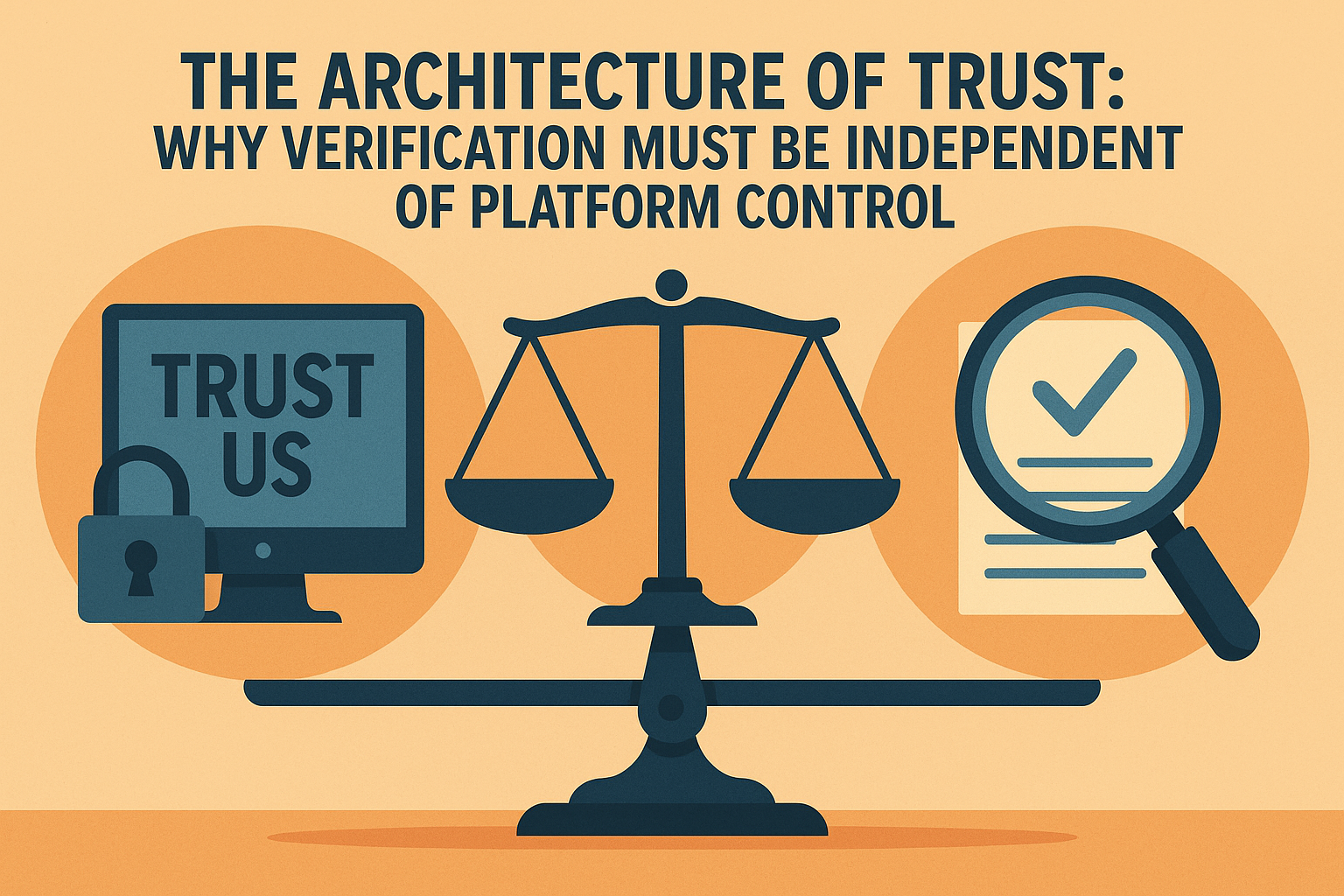
Verification is only meaningful when platforms cannot control it. This article explains why independent data pathways are essential to ethical digital finance.

Crypto liquidity often looks decentralized but operates under centralized control. This article exposes how market makers and exchanges engineer liquidity narratives and why true decentralization requires transparency.
Most “audited” crypto reserves would fail a traditional audit. This article explains why proof-of-reserves is more performance than proof and how to tell the difference.
If your crypto platform won’t let independent third parties verify logs and transactions through APIs, that’s not innovation, that’s opacity. Real transparency is verifiable, not performative.
InvestorJustice.org warns investors to avoid Nexo. Evidence shows misuse of APR, refusal of lawful records requests, jurisdictional evasion, and deletion of key Terms of Service clauses, leaving investors, especially seniors, without accountability.
Nexo was fined $45 million by the SEC for its illegal Earn Interest Product—but many retirement-age investors remain financially ruined, with no recourse. This article calls for overdue cross-border enforcement.
Disclaimer
The information presented on InvestorJustice.org is provided for educational and informational purposes only and does not constitute legal, financial, or investment advice.
InvestorJustice.org is an independent public-interest research and education platform and does not offer individualized guidance, professional services, or endorsements.
Readers should consult qualified legal or financial professionals before making investment or regulatory decisions.
Our mission is transparency and accountability — not advocacy for any commercial entity.